The Parent’s Heart: When Your Child Refuses to Go to School
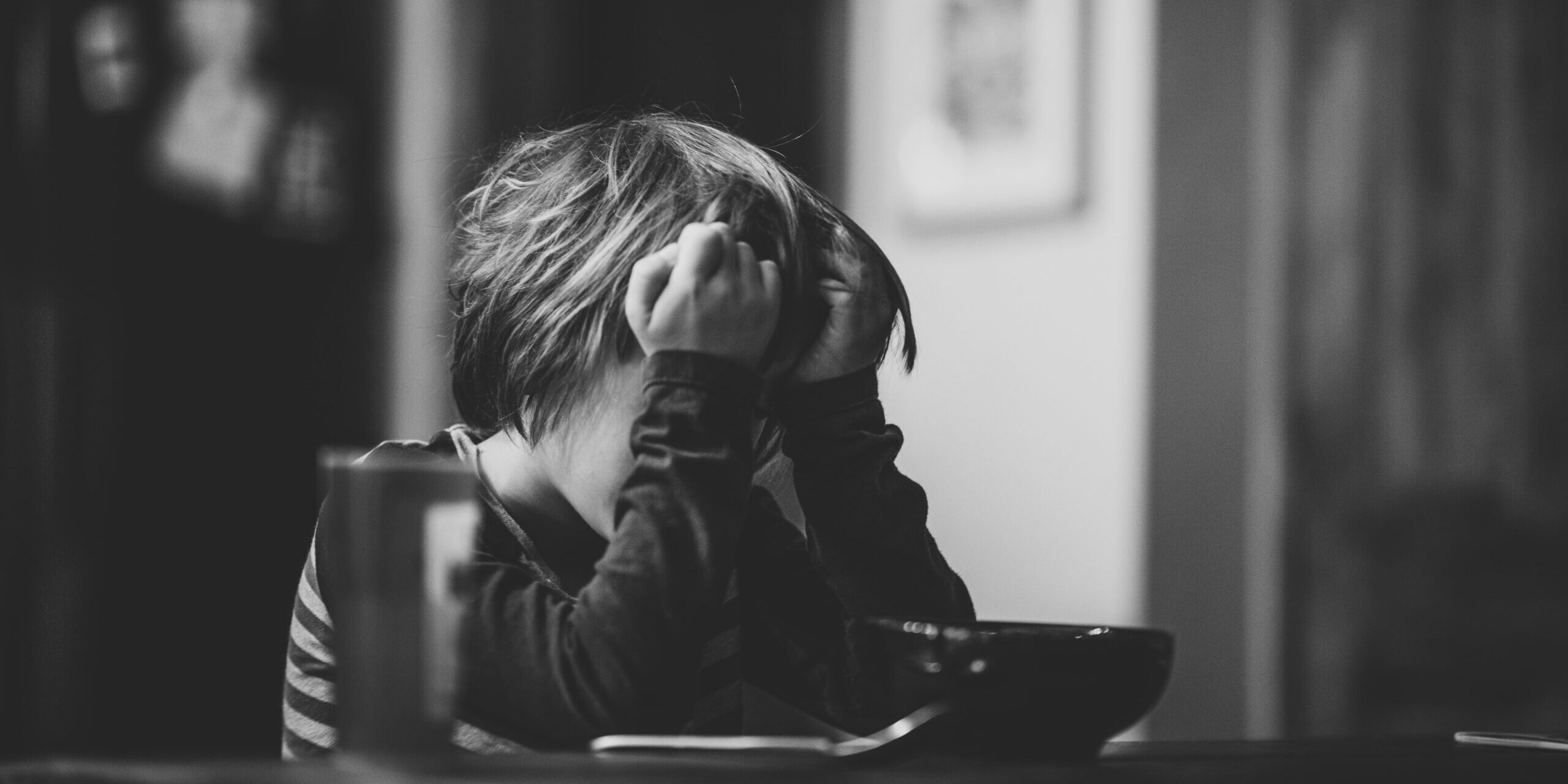
Every school morning becomes a battle. Your child wakes up in tears. “I can’t go. I’m going to get sick. Something bad will happen.” Or maybe there are no words at all, just a body that refuses to move. Physical complaints. Meltdowns. Promises that they’ll go tomorrow. But tomorrow comes and the same thing happens.
You start your day already exhausted. You feel torn between compassion and frustration. Are they really sick? Are you enabling something by staying home? Are you a terrible parent if you make them go, and are you a pushover if you don’t? The guilt is crushing. You wonder if other parents are dealing with this, if you’re the only one who can’t get your child out the door.
What you are experiencing is school refusal, and it is often rooted in anxiety, not laziness or manipulation. The good news is profound: you are not failing. You are a powerful agent of change in your child’s life. Understanding what is driving the refusal and learning specific skills can help your child get back to school, and more importantly, back to a life that isn’t controlled by fear.
This guide explains what school refusal is, how family accommodation patterns keep it going, and concrete steps you can take as a parent to support your child’s return.
School Refusal vs. Truancy: What’s the Real Issue
It’s important to distinguish between school refusal and truancy. Truancy is when a child skips school by choice, often to avoid responsibility or to engage in other activities. The child doesn’t experience distress about missing school; in fact, avoiding school feels rewarding.
School refusal is different. Your child experiences genuine anxiety or panic about school. There is distress in the morning, resistance, sometimes physical symptoms like nausea or headaches. The child is not refusing school because they prefer something else. They are refusing because they fear something about school or being separated from you.
School refusal usually has an underlying anxiety disorder. Your child might have social anxiety (“What if I don’t know what to say?” “What if kids judge me?”). They might have panic disorder and fear having a panic attack at school. They might have separation anxiety (fear of being away from a parent). They might have generalized anxiety (“What if something bad happens?”). They might have OCD with worries about contamination or harm. Each of these requires understanding to treat effectively.
The distinction matters because the treatment approach differs. A child with truancy needs boundaries and consequences. A child with school refusal needs to understand their anxiety, learn skills to manage it, and then gradually face the feared situation with support. Punishment will backfire with an anxious child and make the anxiety worse.
How Family Accommodation Keeps the Cycle Going
Here’s the trap: when your child refuses school, your instinct is to comfort and protect. You keep them home “just this once” because they are so distressed. The relief is immediate. They calm down. You feel you’ve done the right thing by responding to their distress.
But something happens on repeat: staying home becomes the compulsion that reduces anxiety. Your child’s brain learns that anxiety about school means they get to stay home. School is the threat, and home is the safe place. Next time they feel anxious, the memory of that relief is powerful. “If I resist hard enough, I can stay home again.”
This is called family accommodation, and it is one of the most powerful maintainers of childhood anxiety. Family accommodation is not your failure. It’s a completely understandable response to seeing your child in distress. But when repeated, it prevents your child from learning that they can survive school, and that anxiety decreases with exposure.
Other forms of accommodation include excessive reassurance (“You’ll be fine, nothing bad will happen”), doing your child’s schoolwork for them, allowing them to avoid social situations or group assignments, or staying at school with them. Each of these feels supportive in the moment but teaches your child that they cannot handle the situation without help, which actually increases anxiety long term.
Breaking accommodation patterns is one of the highest-impact things you can do for your child’s recovery.
The SPACE Approach: Parental Empowerment in Action
SPACE stands for Supportive Parenting for Anxious Childhood Emotions. This is an evidence-based approach developed by researchers at Yale Child Study Center. Instead of focusing on changing your child’s anxiety directly, SPACE helps you change your responses to your child’s anxiety, which then changes your child’s anxiety naturally.
SPACE focuses on you as the agent of change. This is hopeful because you have more control and agency than you might realize. You are with your child more than any therapist could be. Your behavior, responses, and boundaries shape your child’s learning about what they can tolerate.
The key moves in SPACE are reducing accommodation, increasing your own emotional tolerance when your child is distressed, and modeling courage. Here’s what that looks like in practice:
Reduce Reassurance-Seeking
When your child asks “Will I be okay at school?” many times per day, each reassurance provides temporary relief but teaches them that their own judgment can’t be trusted. Instead, you might say “That’s anxiety talking. You’ve been to school many times before. I know you can do hard things.” No promises that nothing bad will happen; simple acknowledgment and confidence in their capacity.
Stop Avoiding
If your child refuses to eat breakfast or get dressed because of anxiety, the anxiety wins and expands. Instead, you might say “Breakfast is happening. You can eat while worried, and that’s okay.” You proceed with the morning routine while your child is distressed. This is not punishment. It’s teaching them that anxiety doesn’t stop life from happening.
Tolerate Their Distress
This is the hardest part for many parents. When your child is sobbing and begging not to go to school, your instinct is to make it stop. But when you adjust your behavior to reduce their distress, they learn that distress is intolerable. Instead, you practice staying calm and present while they are upset. You say “I can see you’re anxious right now. I’m here with you. You’re going to school because that’s important.” Your calm presence is the message: “You are okay, and I believe in you.”
Gradually Increase Expectations
Instead of jumping from “staying home” to “full days at school,” you build a step-by-step plan. Day one might be walking to the school building with you. Day two, walking to the door. Day three, going to the classroom for 10 minutes with you in the hall. Over days or weeks, you gradually increase time at school and decrease your presence. Progress is slow sometimes, but it is steady.
Building the Return Plan: Concrete Steps for This Week
1. Assess
Start with an assessment. What specifically is your child anxious about? Is it separation from you? Fear of a social situation? Worry about a particular subject? Something physical happening at school? The more specific you are, the better the plan.
2. Involve the School
Next, meet with the school. Explain that your child has anxiety-based school refusal, not behavioral refusal. Work with the school’s counselor or psychologist to design a gradual re-entry plan. The school can support attendance by checking in with your child, providing a safe space (like the counselor’s office) if anxiety spikes, and reinforcing attendance.
3. Routine
Create a morning routine that is calm but firm. No extended discussions about whether your child will go. The message is simple: “School happens. Let’s get ready.” If your child is in a meltdown, you can acknowledge it (“I see you’re upset”) without changing the plan.
4. Reinforce Success
Build in small wins. If your child makes it to school, acknowledge it without over-praising (“You did that even though you were scared”). Praise effort, not the absence of anxiety. Don’t reward with special privileges or later bedtimes; it can appear to reinforce the idea that anxiety is something to escape from.
5. Support Independence
At school, reduce your involvement. If you’ve been staying with your child, your presence has likely become a compulsion. Your child’s brain thinks “I can only do this with parent here.” Gradually reduce your role. Each day you are a little further away, a little less involved, until they’re walking in without you. This is uncomfortable for you both, but it’s what their nervous system needs to learn.
6. Further Treatment (if needed)
If your child has severe anxiety about being in the building, you might work with a therapist to add exposure therapy. This would involve building a hierarchy of feared situations (entering the building, being in the classroom, being there without you, being there during busy times) and practicing each one repeatedly until the anxiety naturally decreases.
When a Professional Should Be Involved
If your child is missing more than a few days of school, or if the anxiety is severe and unchanging despite your efforts, professional support is important. A therapist trained in anxiety treatment for children can assess whether your child has an anxiety disorder, work with your child on anxiety skills, and coach you on implementing SPACE effectively.
Here in the Denver metro area, including Englewood, CO, we at Vivid Psychology Group specialize in school refusal and childhood anxiety. We work with both you and your child, sometimes in separate sessions and sometimes together. Our therapists are trained in SPACE and in exposure therapy for children. We understand that school refusal is a family issue, not just a child issue, and we support the entire system.
Learn more about child anxiety therapy and SPACE treatment to understand how we help families navigate this.
What Recovery Looks Like
When treatment is working, the shift is usually gradual at first, then accelerates. Your child might go to school every day for two weeks but still be in a meltdown most mornings. You might notice they calm down faster now, or that they don’t ask to come home. Over weeks, the morning resistance decreases. The anxiety is still there sometimes, but it no longer controls behavior. Your child goes to school and participates, even while anxious.
Most children with school refusal see meaningful improvement within 4 to 8 weeks of consistent work. By 12 weeks, school attendance is usually back to normal, anxiety in the mornings is significantly reduced, and your child is re-engaging with academics and peers. Many kids notice that once they’re at school for a while, their anxiety actually decreases, which is powerful evidence that the fear is about getting there, not being there.
The timeline depends on how long the refusal has been happening, how severe the anxiety is, and how consistently you implement changes. But recovery is absolutely possible, even after months or years of school refusal.
Frequently Asked Questions
Q: What if my child still won’t go after we try this?
A: Some children need professional support to overcome school refusal, especially if the anxiety is severe. A child anxiety specialist can help you refine your approach, and can work directly with your child on skills like deep breathing, tolerating discomfort, and facing fears. Don’t see this as failure; it’s getting the right level of support.
Q: Should I push or back off?
A: The balance is: be firm about school attendance (the expectation is clear), but warm and understanding about their feelings. “I know you’re scared. School is happening. I believe in you.” You are not pushing them to suffer; you are supporting them to learn they can do hard things. Back-and-forth (keeping them home one day, pushing the next) teaches them the outcome depends on how hard they fight. Consistency is crucial.
Q: Is school refusal anxiety or something else?
A: School refusal is often rooted in an anxiety disorder, but sometimes there are other factors: bullying, learning difficulties, sensory sensitivities, social struggles, or conflicts with teachers. A good assessment looks at all of these. Your child might need support on multiple fronts (school support for a learning issue, social skills coaching, anxiety treatment). But the core principle remains: gradually facing the feared situation while you reduce accommodation.
Q: When should I call a professional?
A: Call when school attendance is disrupted regularly (more than occasional mornings), or when your own efforts to implement the strategies above aren’t working after two to three weeks. Also call if your child has other symptoms like significant depression, self-harm, or risk behaviors. A professional can assess your specific situation and recommend the right level of intervention.
Q: What if my partner and I disagree on how to handle this?
A: This is common. One parent might lean toward comfort, the other toward firmness. It’s important to get on the same page because inconsistency undermines your efforts. Consider meeting with a family therapist who can help you both understand the issue and develop a unified approach. Even a few sessions of coaching can make a big difference.
You Are a Powerful Agent of Change
This is the most important thing to remember: your child’s recovery does not depend on you being perfect. It depends on you being consistent, calm, and clear about what you expect. You are the most influential person in your child’s life. When you change how you respond to their anxiety, their anxiety naturally changes.
School refusal is frightening and exhausting. But it is also very treatable. Thousands of parents have guided their children through this, and thousands more are doing it right now. You are not failing. You are taking steps that will teach your child that they are braver than their fear.
Small steps lead to big changes. The next step is reaching out for an assessment if needed, or implementing the SPACE strategies above if you want to start immediately.
Schedule a free phone consultation to see if we are a good fit.
Vivid Psychology Group provides in-person therapy in Englewood (south Denver), Colorado, and virtual treatment in most U.S. states.