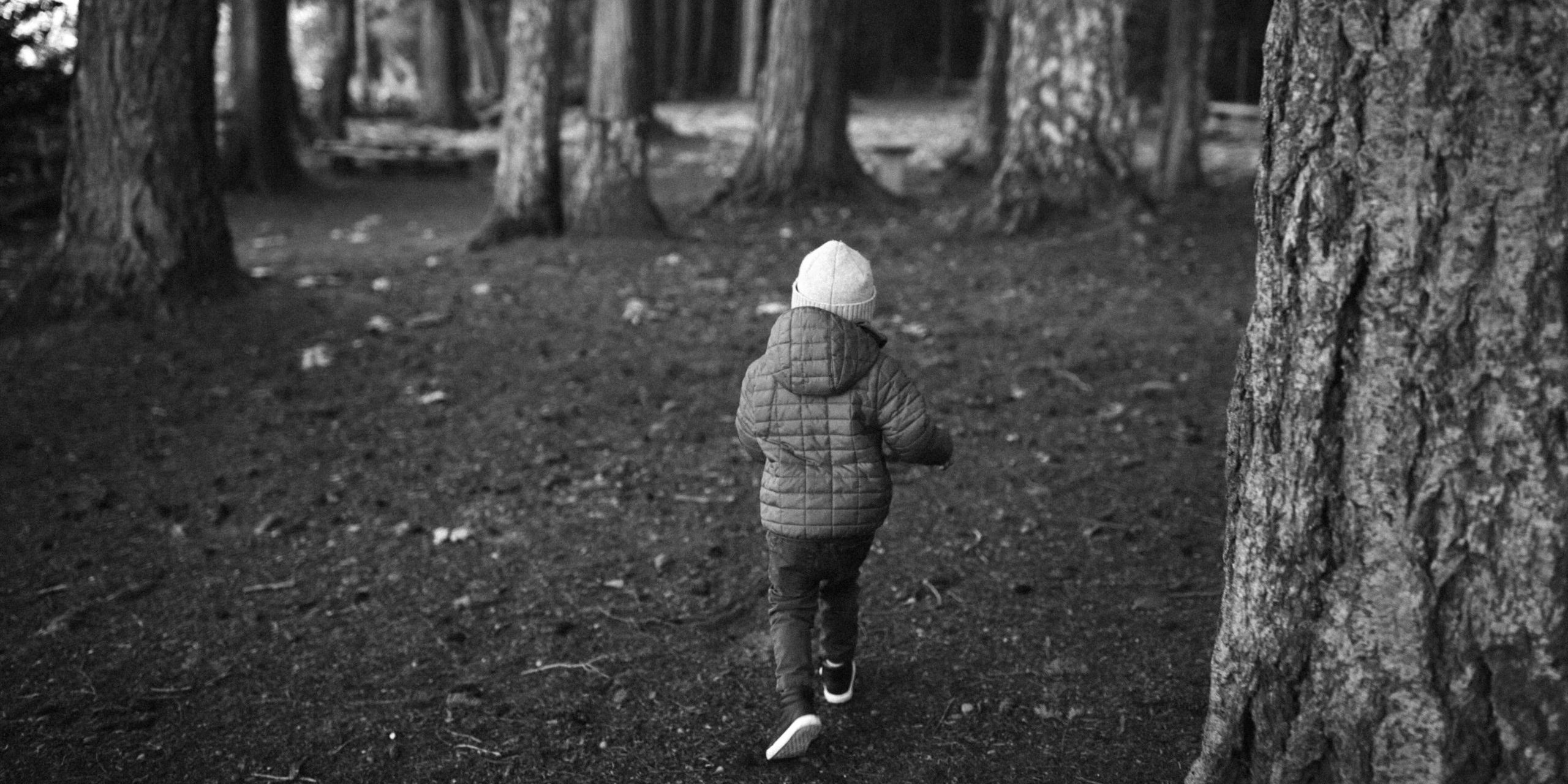
Picture this: Your little one clinging to your leg, tears streaming down their face as you try to leave for work. Sound familiar? You’re not alone.
Separation anxiety is a common challenge many children face, characterized by excessive fear or distress when separated from their primary caregivers. While it’s a normal part of development for young children, persistent separation anxiety can significantly impact a child’s daily life and overall well-being.
Parents might notice signs such as clinginess, crying, tantrums, or physical symptoms like stomachaches when separation occurs or is anticipated. These behaviors can interfere with school attendance, social interactions, and family dynamics. Factors contributing to separation anxiety may include genetics, temperament, family stress, or traumatic experiences.
Addressing separation anxiety early can be crucial for healthy emotional development. At Vivid Psychology Group, we understand the importance of tailored interventions to help children and families overcome this challenge. Our approach combines evidence-based techniques, including the SPACE treatment method and Exposure and Response Prevention (ERP) therapy, to provide comprehensive support for children struggling with separation anxiety.
How SPACE Treatment Helps Families Overcome Separation Anxiety
SPACE (Supportive Parenting for Anxious Childhood Emotions) is an innovative treatment approach that focuses on empowering parents to help their children manage anxiety. This parent-based intervention is particularly effective for separation anxiety, as it addresses the family dynamics that often maintain the anxiety cycle.
Key principles of SPACE in addressing separation anxiety include:
- Reducing parental accommodation of anxious behaviors
- Increasing parental support and validation of the child’s emotions
- Encouraging age-appropriate independence
- Implementing gradual exposure to separation situations
Parents play a crucial role in implementing SPACE techniques at home. This involves learning to respond supportively to their child’s anxiety while gradually reducing behaviors that inadvertently reinforce anxious responses. Consistency and patience are vital, as changes in family dynamics take time to show results.
At Vivid Psychology Group, we offer specialized SPACE treatment to guide parents through this process, providing them with the tools and support needed to help their children overcome separation anxiety.
Using ERP Therapy to Build Confidence
Exposure and Response Prevention (ERP) therapy is another powerful tool in our arsenal against separation anxiety. This cognitive-behavioral approach involves gradually exposing children to separation situations while preventing avoidance or safety-seeking behaviors.
The ERP process for separation anxiety typically includes:
- Creating a fear hierarchy of separation situations, from least to most anxiety-provoking
- Designing and implementing gradual exposure exercises in real-life settings
- Teaching anxiety management techniques to use during exposures
- Incorporating cognitive strategies to challenge anxious thoughts
- Regularly tracking progress and adjusting the ERP plan as needed
For example, a child might start with brief separations in a familiar environment, gradually working up to longer periods or more challenging situations like school drop-offs. Throughout this process, children learn to tolerate the discomfort of separation and develop confidence in their ability to cope.
Our therapists at Vivid Psychology Group are skilled in tailoring ERP techniques to each child’s unique needs, ensuring a supportive and effective treatment experience.
A Combined Approach: Supporting Lasting Change at Home
At Vivid Psychology Group, we believe in a comprehensive approach to treating separation anxiety. By combining elements of SPACE and ERP, we create a powerful treatment plan that addresses both the child’s anxiety and the family dynamics that may be maintaining it.
Tips for maintaining a supportive family environment include:
- Open communication about anxiety and emotions
- Celebrating small victories and progress
- Maintaining consistent routines and boundaries
- Practicing self-care for parents to model healthy coping
Involving siblings in the treatment process can also be beneficial. This might include educating them about separation anxiety and teaching them how to support their anxious sibling without enabling avoidance behaviors.
It’s important to acknowledge that setbacks are a normal part of the process. Our team provides ongoing support to help families navigate challenges and adjust strategies as needed. With patience and persistence, most children can significantly reduce their separation anxiety and develop the skills to manage future anxiety-provoking situations.
If your child is struggling with separation anxiety, our expert team at Vivid Psychology Group is here to help. We offer personalized treatment plans combining SPACE and ERP approaches to empower your family and guide your child towards greater independence and emotional well-being.
Are you ready to take the next step? Schedule a free phone consultation today to discuss whether our approach to treating child separation anxiety is the right fit for your family.
Vivid Psychology Group provides in-person therapy in Englewood and Denver, Colorado, and virtual treatment in most U.S. states.