Table of Contents
- Symptoms of Anxiety
- Common (and Uncommon) Physical Signs of Anxiety
- A Note on Female Anxiety Symptoms
- Why Anxiety Feels So Physical
- Why Avoiding These Symptoms Doesn’t Work
- There’s No Need to Be Anxious for Nothing
- You Don’t Have to Live in Fight-or-Flight
Your nervous system doesn’t need your permission to react; it’s just trying to keep you safe.
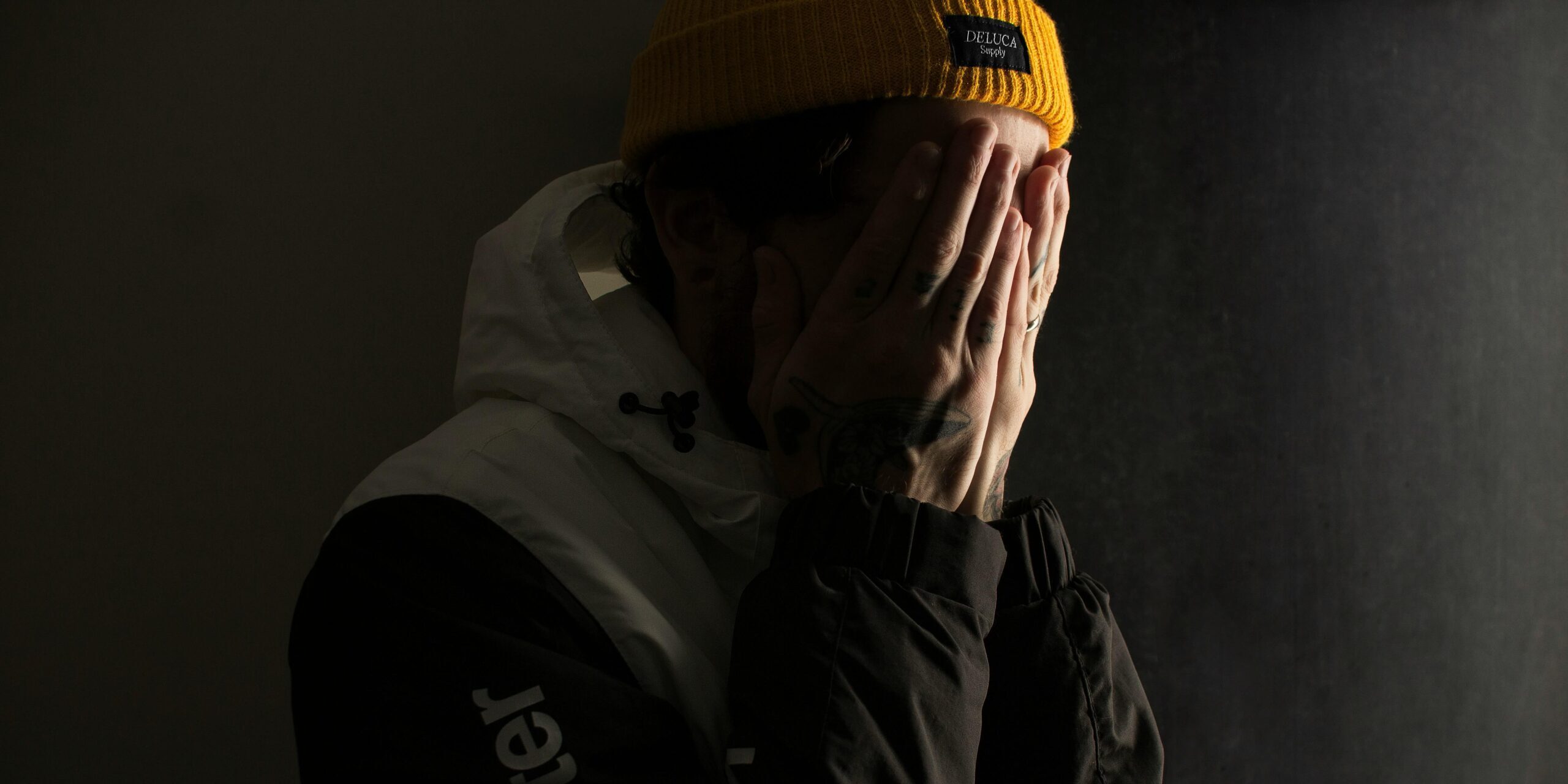
But sometimes, anxiety shows up in ways that feel anything but helpful. You might expect a racing mind or spiraling thoughts, but what about chest pain that mimics a heart attack? Or random tingling in your hands? That sinking stomach feeling for no clear reason?
These are all symptoms of anxiety, but because they show up in the body, they’re often misunderstood, or misdiagnosed.
Let’s explore how anxiety affects your physical health, beyond the typical mental chatter. And if you’re wondering whether these strange sensations are “normal”, you’re not alone.
Symptoms of Anxiety
Anxiety Lives in the Body, Too
It’s easy to think of anxiety as a purely mental experience, worrying, catastrophizing, or feeling tense. But anxiety is actually a full-body response.
When your brain perceives a threat, it signals your body to activate the fight-flight-freeze response. This triggers a surge of stress hormones like cortisol and adrenaline, preparing you to either confront danger or escape it.
But when anxiety becomes chronic, your body remains in this heightened state more often than it should and that’s when the physical symptoms of anxiety become harder to ignore.
Common (and Uncommon) Physical Signs of Anxiety
Let’s start with the more recognizable anxiety symptoms:
- Racing heart
- Muscle tension
- Upset stomach
- Trouble sleeping
But there are also lesser-known, weird physical symptoms of anxiety that can leave you questioning what’s really going on:
- Tingling or numbness in the extremities
- Blurred vision or eye floaters
- Cold hands and feet
- Dry mouth or difficulty swallowing
- Frequent urination
These sensations are not “in your head.” They’re real, physical reactions to a brain that’s sounding a false alarm, often repeatedly.
A Note on Female Anxiety Symptoms
Anxiety doesn’t look the same for everyone, and gender can play a role. Women may be more likely to experience anxiety alongside physical symptoms like fatigue, chronic pain, or hormonal changes.
Hormonal shifts during menstruation, pregnancy, or menopause can heighten symptoms of anxiety, and in some cases, mimic other medical issues. If you’ve ever wondered why your anxiety feels worse at certain times of the month, this could be why.
Quick Tip:
Keep a journal tracking your physical and emotional symptoms. Noticing patterns can help you identify triggers and communicate more clearly with a therapist or GP.
Why Anxiety Feels So Physical
You’re not imagining it, and you’re not overreacting.
When we ask, “What does anxiety do to your body?”, the answer is: a lot. It affects your cardiovascular system, digestion, respiratory patterns, and even your immune response.
Chronic stress can contribute to high blood pressure, muscle pain, headaches, and gastrointestinal issues. In short, the effects of anxiety on the body are widespread, and often mistaken for other conditions.
Anxiety body symptoms can feel unrelated or random, but they’re part of the same root cause, your nervous system being stuck in survival mode.
Why Avoiding These Symptoms Doesn’t Work
One of the toughest parts about anxiety is the urge to avoid the sensations that scare you. But avoiding your triggers can make your world smaller, and your anxiety bigger.
That’s why Vivid Psychology Group focuses on short-term, evidence-based treatment approaches like CBT, ACT, and ERP. We don’t just talk about your symptoms of anxiety, we help you learn how to respond to them with skill, not fear.
Our goal is for you to spend a short time with us, long enough to learn what works, so you can live your life with freedom, not fear.
There’s No Need to Be Anxious for Nothing
Let’s be honest: anxiety isn’t something you can “positive-think” your way out of.
But with the right support and practical strategies, you can build a completely different relationship with it.
Vivid Psychology Group offers tools that help you retrain your brain and body’s response to anxiety, so you’re not just coping, you’re changing how you live. Our entire ethos is built on helping you move through this, not stay stuck in it, so you can live with more ease, more confidence, and a lot less noise from your anxiety.
Quick Tip:
The next time you feel the urge to Google a strange body sensation, pause. Ask yourself: “Is this fear or fact?” Google has a habit of turning headaches into brain tumors. Instead, redirect that energy toward something meaningful, even if it feels uncomfortable. That’s how we retrain the brain.
You Don’t Have to Live in Fight-or-Flight
Anxiety might show up in your body, but it doesn’t have to run your life.
Vivid Psychology Group believes in treatment that works. Our approach is built on helping you understand your mind and body, develop long-term strategies, and feel confident in your ability to quiet the anxiety down.
You won’t be in treatment forever. Just long enough to get the tools you need. Because healing isn’t about eliminating anxiety, it’s about knowing how to meet it with strength.
You’ve got this. And we’re here to help.